October 24, 2026
Peptide High Quality: Importance Of Third-party Recognition
By @lanempdx764
Peptide Testing: Hplc & Mass Specification Purity Guide Pinnacle
Finally, understanding peptide purity levels and grades helps you make educated choices for your experiments. A peptide's purity percentage tells you how much of that example is the genuine bargain versus byproducts, with typical research study qualities being around 95% as much as 98-99% for extra pureness. Analytical HPLC and MS are your good friends below-- HPLC quantifies pureness, and MS validates identification, with each other guaranteeing you know what remains in your tube.Peptide screening is the collection of analytical checks made use of to evaluate a peptide sample prior to it is utilized in a research operations. In useful COA testimonial, the term normally refers to pureness testing, identity testing, and documentation testimonial. Purity screening asks how much of the spotted example is the main peptide versus related pollutants. Identification testing asks whether the determined mass or sequence-related evidence matches the desired peptide. Paperwork review asks whether the record is batch-specific, traceable, and detailed sufficient to be audited. Peptide screening is the analytical procedure made use of to validate that a study peptide is both pure and correctly recognized.
Truncation And Fragmentation Products
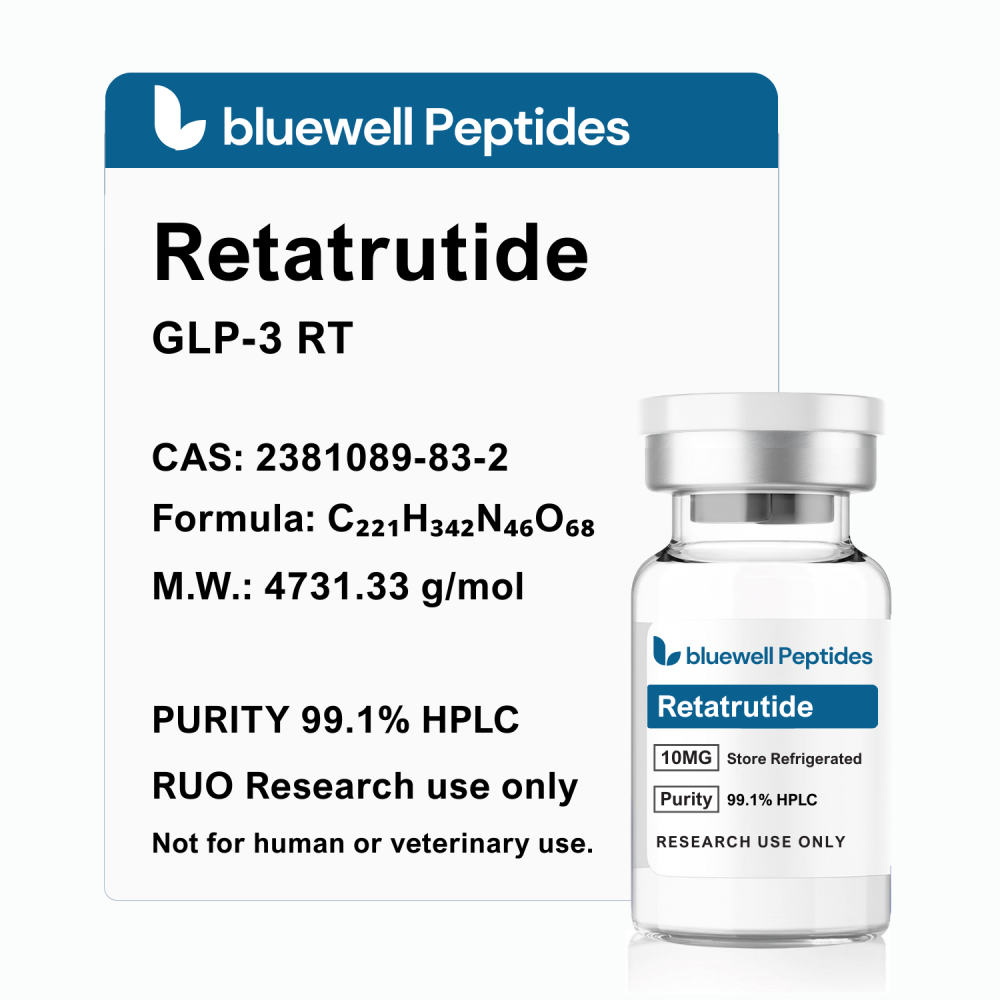
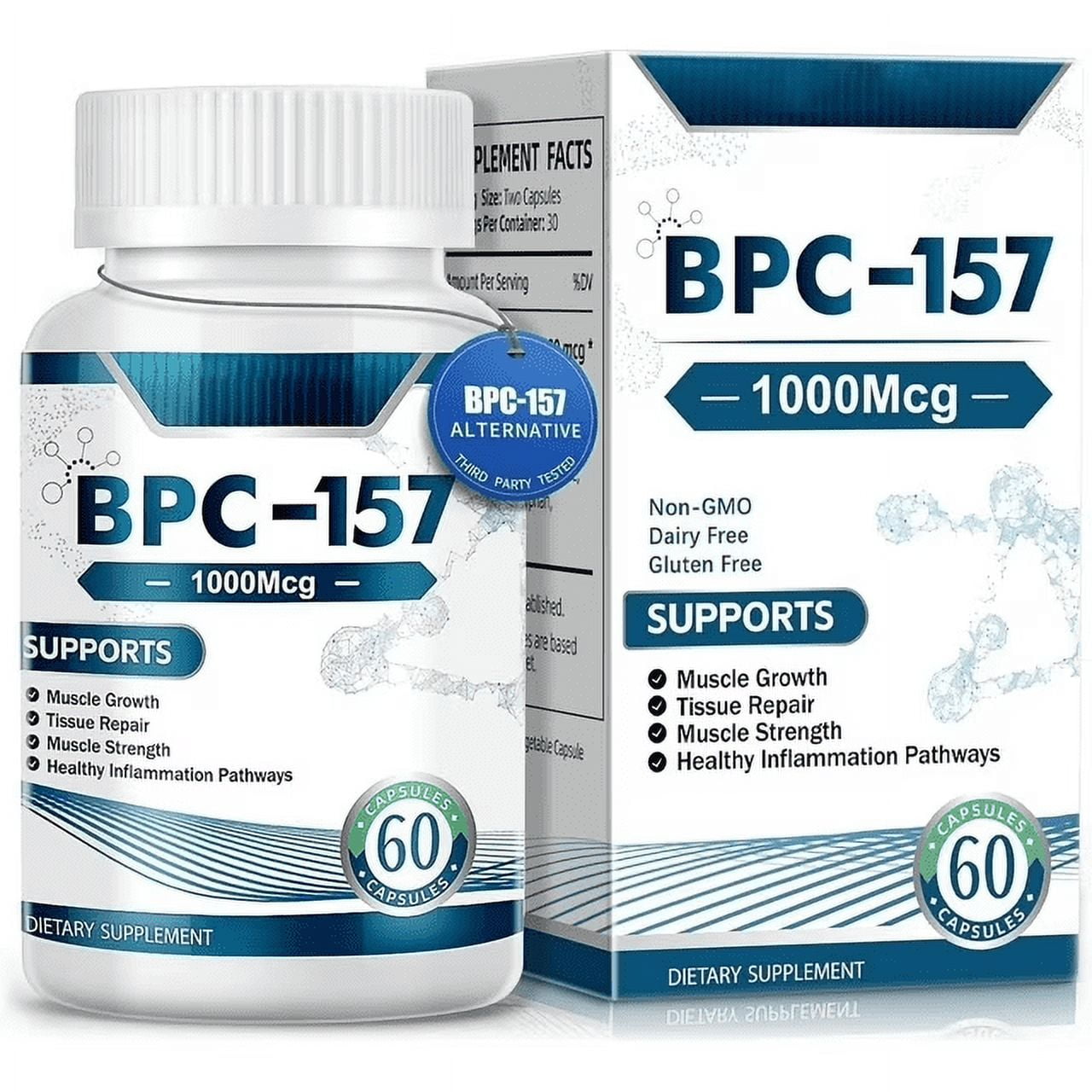
HPLC can support cases about chromatographic pureness, pollutant peak concern, and deterioration trends when the technique is proper and the chromatogram is offered. If a peptide is re-tested after storage space tension, HPLC can disclose whether brand-new impurity heights have actually shown up or whether the major height location has declined. This attaches straight with dealing with subjects such as peptide storage and peptide reconstitution. For instances of product-level context, compare the expected masses for Retatrutide, BPC-157, and Semaglutide.- It directly influences the integrity and reproducibility of experimental outcomes.
- These counterions aren't "impurities" in the HPLC sense-- they don't appear as different tops-- however they do contribute to the overall mass of the powder.
- Peptide testing is the analytical procedure used to confirm that a research peptide is both pure and properly determined.
- For instance, before a peptide medicine can enter human trials, its supplier has to show the identity, pureness, strength, and safety and security of the peptide through validated logical methods.
- Recurring non-peptide elements can transform assay interpretation, misshape peptide material calculations, and complicate lot certification.
" Mass spectrometry solutions "is the identified substance constant with the intended peptide identity? " Clinical Research Together they give more powerful batch-level proof than either method alone. In the typical peptide COA context, optimal purity generally describes the percentage of overall chromatogram location represented by the main peptide height.
Research Study Uses Of Peptide Chemical & Physical Evaluations
They are identified "for research usage just" to make clear that they are planned for in vitro experiments or animal studies, except any form of human use. Actually, a lab offering peptide screening should provide data fulfilling the rigorous logical assumptions of agencies like FDA and EMA [4] By utilizing a qualified third-party laboratory, peptide suppliers or scientists make certain an impartial and professionally recorded assessment of quality, which is specifically what inspectors try to find. Additionally, recurring independent testing sustains compliance in batch launch and quality assurance. Lab validation for peptides implies using scientific tests to verify a peptide's identification, pureness, and composition. In technique, this often entails third-party or independent screening by an exterior laboratory Browse this site to verify that a peptide product in fact has what the label asserts [2]
Clinical Visual Appeals Item Advancement
In addition to RP HPLC, our skilled scientists can also offer info on the molecular weight of peptides identified by mass spectrometry. Matrix-assisted laser desorption ionization time-of-flight mass spectrometry (MALDI-TOF MS) and electrospray ionization mass spectrometry (ESI MS) are both most typically made use of techniques. This short article is provided for educational and study referral functions only. All peptides sold by Pinnacle Research laboratory are intended solely for in-vitro lab study usage and are not for human consumption. Peptide testing documentation should be taken batch-level logical evidence for study material, not as clinical-use permission. Apex's Exactly how to Read a Peptide COA overview walks through this procedure step by step.
A single generic chromatographic method is typically not nearly enough for peptides that are hydrophobic, extremely standard, carefully associated in sequence, or partly purified. We provide HPLC and UPLC purity analysis process that concentrate on beneficial separation rather than just generating a percent. We design logical workflows around the sample type, series functions, adjustment account, and choice context. Tasks may entail crude intermediates, purified peptides, stored lots, client-supplied products, or materials produced through our custom-made peptide synthesis platform.❧